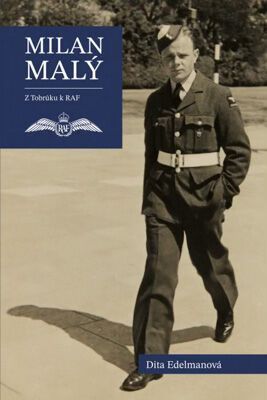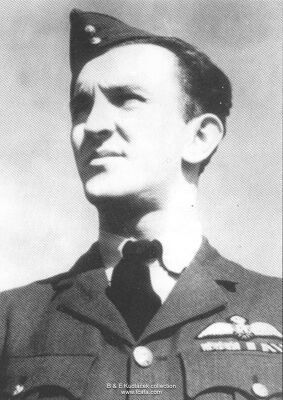
Milan Maly – Remembered


* 30/09/23, Brno, Czechoslovakia.

† 01/05/13, České Budějovice, Czech Republic.

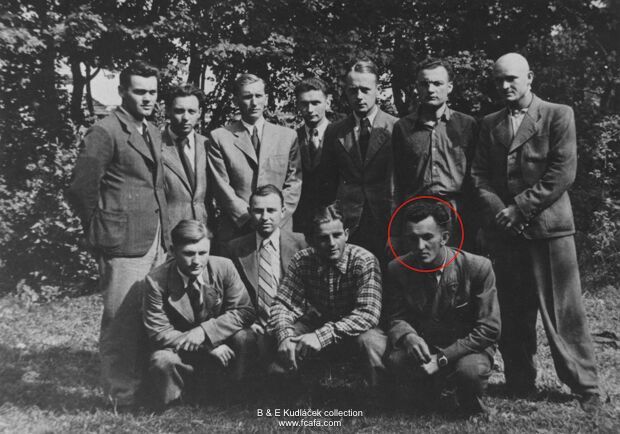
Od roku 1940 pracoval v německém Kasselu, odkud se mu podařilo 21. června 1940 uprchnout přes Alpy do Jugoslávie. Na našem konzulátu v Bělehradě podepsal 29. června vstup do čs. zahraniční armády a byl převelen do Palestiny, kde byl 9. července presentován u Čs. vojenské jednotky.

In 1939 he was sent to Kassel, Germany as a forced labourer. He escaped and crossed over the Alps to Yugoslavia on 21 June 1940. In Belgrade, he enlisted in the Czechoslovak Army on 29 June and was sent to Palestine, where he joined a Czechoslovak Army unit on 9 July.

V listopadu téhož roku byl přidělen k Čs. pěšímu praporu 11 – Východnímu, 1. pěší rotě, s níž se od 31. května 1941 zúčastnil tažení v Západní poušti, od 24. června 1941 nasazení na frontu v Sýrií a od 21. října 1941 obrany západní části obranného perimetru v obklíčeném libyjském přístavu Tobrúk. Dne 7. dubna 1942 opustil osvobozený Tobrúk a byl zařazen ke 200. lehkému protiletadlovému pluku – Východnímu, 4. rotě 500. praporu. Dne 21. října 1942 byl ve skupině bývalých pouštních „tobrúckých krys“ převelen k letectvu ve Velké Británii.

In November of that year, he was posted the 1st Infantry Company of the 11th Eastern Czechoslovak Infantry Battalion, with whom he participated in the Western Desert campaign from 31st May 1941, from 24th June 1941 deployed on the front in Syria and from 21st October 1941 in the western section of the defence perimeter of the besieged Libyan port of Tobruk. He left liberated Tobrúk on 7th April 1942 and was assigned to the 4th Company of the 500th Battalion of the 200th Eastern Czechoslovak Light Anti-Aircraft Regiment. On 21st October 1942, with a group of other former ‘Tobruk rats’, he transferred the Royal Air Force in Great Britain.

Lodí „Santa Maria de Orduna“ doplul 1. ledna 1943 do skotského přístavu Greenock a 2. ledna 1943 byl presentován u Čs. depotu v St. Athan a přijat k RAF VR (osobní číslo 788498). Základní pilotní výcvik zahájil 10. dubna 1943 v Anglii. V polovině září 1943 byl převelen do Kanady, kde 16. října 1943 nastoupil elementární pilotní výcvik u 31. E.F.T.S. na základně De Winton a 28. února 1944 pokračovací výcvik u 34. S.F.T.S. v Medicine Hat. Poté byl 22. září 1944 převelen k No. 31 PD Manston ve Velké Británii, od 17. února 1945 absolvoval operační pilotní výcvik u 57. OTU.

He reached the Scottish port of Greenock aboard the ship ‘Santa Maria de Orduna’ on 1st January 1943 and on the 2nd January 1943, at the Czechoslovak Depot at St Athan and enlisted in the RAF VR (serial number 788498). Basic pilot training commenced on 10th April 1943 in England. He was posted to Canada in mid-September 1943, where on the 16th October 1943 he started elementary pilot training with 31 EFTS (Elementary Flying Training School) at the De-Winton airbase and 28th February 1944 for advanced training at 34 SFTS (Service Flying Training School) in Medicine Hat, Canada. Afterwards he was posted 31 PD (Personnel Depot) at Manston in Great Britain on 22nd September 1944, and from 17th February 1944 he concluded his operational pilot´s training at 57 OTU (Operational Training Unit).

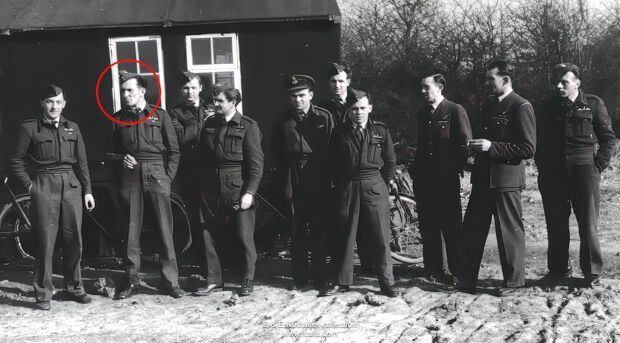
Následně byl od 1. května 1945 přidělen jako stíhací pilot k 312. čs. peruti, v rámci níž se 18. srpna 1945 vrátil do svobodného Československa. Po válce sloužil od srpna 1945 u „třistadvanáctky“ na letišti v Plané u Českých Budějovic, kde se mimo jiné podílel na výcviku izraelských stíhacích pilotů. V roce 1991 byl Milan Malý povýšen na plukovníka letectva. Je nositelem řady čs. i spojeneckých vyznamenání.

He was then posted, as a fighter pilot, to 312 (Czechoslovak) Squadron from 1st May 1945, with whom he returned to a liberated Czechoslovakia on 18th August 1945. After the war, from August 1945, he served in „threehundredtwelve“ at Planá airbase, near České Budějovice, where he took part, amongst others, in the training of Israeli fighter pilots. Milan Malý was promoted to the rank of a Air Force Colonel in 1991. He is a recipient of numerous Czechoslovak and Allied decorations.

Do aviatického nebe odletěl 1. května 2013, přesně 68 let od svého zařazení k operační 312. čs. stíhací peruti.

He took-off to aviation heaven on 1st May 2013, 68 years exactly after his assignment to the operational 312 Fighter Sqn.

Čest jeho památce!

Honour to his memory!

Vladislav Burian
(Klub historie letectví Jindřichův Hradec
Aviation History Club of Jindřichův Hradec)


Posted in 312 Sqd, Biography | Leave a comment

Circus 157 – remembered


Nejsou zapomenuti
Not forgotten

Malá pietní oslava na paměť 71. výročí RAF Operace Circus 157 proběhla 5.5. 2013 v podvečerních hodinách na vojenském hřbitově CWGC Ypres Town Extension v Ypres v belgických Flandrách.

A discreet remembrance act commemoration the 71st anniversary of the RAF Operation Circus 157 took place on 5th May 2013 at dusk at the Ypres Town Extension CWGC military cemetery in Ypres, Belgian Flanders.

Umístila jsem pamětní křížky k hrobům tří sestřelených pilotů RAF – Čecha SGT Karla Pavlíka, 313 Sqn, Kanaďana Sgt Joffrey Ribouta, 122 Sqn, a Brita F/Sgt Stacey Jonese, 122 Sqn a též k místu, kde byl kdysi pohřben i čtvrtý, belgický pilot – F/Lt Baudouin de Hemptinne, 122 Sqn (dnes přemístěn na čestné pohřebiště belgických pilotů v Evere).

I placed remembrance crosses at the graves of the three shot down RAF pilots – a Czech Sgt Karel Pavlík, 313 Sqn, Canadian SGT Joffrey Ribout, 122 Sqn, British F/Sgt Stacey Jones also of 122 Sqn and also to the place where once was buried a Belgian pilot, F/Lt Baudouin de Hemptinne, 122 Sqn (who today rests in peace at the honorary Belgian military pilots´ cemetery in Evere).

Po minutě ticha jsem na paměť padlých pilotů zarecitovala „Připomenutí“ a zazpívala československou hymnu.

After a minute of silence I recited the “ Exhortation“ for the fallen and concluded by singing the Czechoslovak anthem.

Spolu s manželem jsme se poté zúčastnili slavnostního ceremoniálu Poslední večerky pod prvoválečným vojenským památníkem – Meninskou branou v Ypres. Shodou okolností byl výjimečně přítomen i kaplan vojenského britského kostela Sv Jiří v Ypres, sám bývalý příslušník RAF, otec Brian Llewellyn, který přednesl modlitbu za padlé. Po zatroubení večerky a během pokládání věnců na památku padlých přítomný mužský chór z Walesu zazpíval krásnou hymnu Ó, statečná srdce, bezpochyby i k poctě oněch čtyř statečných pilotů RAF sestřelených nedaleko Ypres během RAF Operace Circus 157.

This slideshow requires JavaScript.

Together with my husband we then attended the special Last Post ceremony under the Menin Gate Memorial to the (Great War) Missing in Ypres. Coincidentally, also the chaplain of the St George´s Memorial Church in Ypres, himself a retired Sqn Leader in the RAF, Father Brian Llewellyn was present. He recited a prayer for the fallen. After the sounding of the Last Post and during the placing of the wreaths, male choir from Wales sang the beautiful hymn Oh, Valiant Hearts, without a doubt also in honour of those four gallant pilots shot down and killed near Ypres during the Operation Circus 157.

Čest jejich památce!
We will remember them!


Milena Kolaříková a Chris Lock, Ypres, Belgie
www.lestweforgetbattlefieldtours.com


Posted in 313 Sqd, Cemetries, Not Forgotton | Leave a comment

Zdenek SKARVADA


Zdeněk ŠKARVADA

* 08/11/17
† 11/05/13

_______________________________________________________________

With sadness we must advise that

.

W/O Zdeněk ŠKARVADA, 788031

WW2 pilot with 310 Sqn. RAF

died

11 May 2013, Ostrava, Czech Republic.

_______________________________________________________________

11. května 2013 v Ostrava, Česká republika

zemřel

W/O Zdeněk ŠKARVADA, 788031

pilot 310. perutě RAF

_______________________________________________________________

Rest in Peace

Čest jeho památce

_______________________________________________________________


Posted in 310 Sqd, No longer with us | Leave a comment

Plzen-Doubravka remembers its fallen RAF pilots


29. dubna 2013 byla uspořádána pamětní ceremonie v Plzni-Doubravce na počest tří místních rodáků, pilotů RAF SGT Karla Pavlíka, 313 Sqn, SGT Václava Šindeláře, 57 OTU a F/O Aloise Záleského, 312 Sqn, kteří padli v 2. světové válce ve službách vlasti.

Sgt Karel Pavlík.

A Remembrance Ceremony for three RAF Czechoslovak pilots fallen in WW II – SGT Karel Pavlík, 313 Sqn, SGT Václav Šindelář 57 OTU and P/O Alois Záleský, 312 Sqn – took place on 29th April 2013 in Plzeň-Doubravka.

Přítomní si také připomněli 20. výročí odhalení pamětní desky na zdi místní školy, kde studovali i tito tři piloti. Odhalení se v r. 1993 zúčastnili i československé letecké legendy – bývalí piloti RAF Gen Peřina, Gen Mrázek, Gen Fajtl, Gen Irving a další.

At the same time, the 20th anniversary was commemorated when their remembrance plaque was placed on the wall of the school, which they had attended together. Former RAF pilots Gen Peřina, Gen Fajtl, Gen Mrázek and Gen Irving amongst others, were present at the unveiling of this plaque in 1993.

Mezi přítomnými byli političtí představitelé a zástupci města Plzeň a její části Plzeň-Doubravka, zástupci Svazu letců ČR a také zástupci Čsl. obce legionářské, Českého svazu bojovníků za svobodu, příbuzní padlých letců a sympatizanté.

Amongst the present were the political representatives of Plzeň and Plzeň-Doubravka as well as the Airmen’s Association of the Czech Republic (Svaz letců České republiky), the Czechoslovak Legionaries Association (Československá obec legionářská – veterans´ association), the Czech Union of Warriors for Freedom (Český svaz bojovníků za svobodu), families of the fallen pilots and well-wishers.

Sgt Václav Šindelář.

Slavnostní odpoledne začalo v parku před školou koncertem jazzového orchestru místní školy, který mistrně zahrál sadu populárních melodií z 2. světové války a navodil tak mezi publikem správnou atmosféru.
V 16 hod. dva představitelé městského a místního zastupitelstva zahájili pietní slavnost výbornými projevy, podtrhujícími význam vzpomínky na všechny Čechoslováky, kteří bojovali a padli v 2. světové válce, skutečné vlastence, kteří zaplatili cenu nejvyšší i za naši svobodu.

The Remembrance afternoon started in the park near the school, where the school jazz orchestra very professionally performed a set of popular melodies WW II, to great delight of the public. The ceremony was opened at 4pm by two speeches of Plzeň and Plzeň- Doubravka community representatives, both underlining the importance of remembrance of all those Czechoslovaks, who fought and fell in WW II also for our freedom, the true patriots who paid the ultimate price.

Opravněné kritické připomínky byly adresovány několika současným českým filmovým režisérům a politikům, kteří překrucují československé dějiny pro vlastní potřeby – např. poslední film o Lidicích zanechává v divákovi dojem, že strašná tragédie vypálené vesnice a jejích obyvatel zamordovaných německými okupanty byla vlastně náhodným důsledkem jedné trapné mimomanželské aféry!

P/O Alois Záleský.

Rightly critical remarks were made on the address of some contemporary Czech movie directors and politicians, who distort Czechoslovak history to suit their own goals – for example the last film made about Lidice, which gives the spectator the impression that the terrible tragedy of the annihilated village and her inhabitants murdered by German occupants was actually a result of one embarassing love affair gone wrong.

Jiný film, Habermannův mlýn, dělá z Čechů ďábelské vrahouny prchajících Němců, kteří ale bezostyšně okupovali tzv. Sudetenland po Mnichovské dohodě v r. 1938. Několik českých politiků dokonce nedávno nabídlo omluvu německým “obětem” odsunu, zorganizovaným v revanšistické organizaci Sudeten-Landsmannschaft.

Another film – Habermann´s Mill – depicts Czechs as evil wrong-doers murdering the fleeing Germans, who, however, shamelessly occupied the Czechoslovak so-called Sudetenland after the Munich Treaty of 1938. Not so long ago, a few Czech politicians actually offered apologies to some of these Germans organised in the revanchistic Sudenten-Landsmannschaft!

Řečník se oprávněně ptal, proč ale nikdo netočí filmy o tom, jaky brutálně němečtí okupanti vyháněli Čechy z jejich domovů v Sudetenlandu po mnichovské dohodě v r. 1938… Tři stíhací piloti RAF, na něž se vzpomíná v Plzni-Doubravce, bezpochyby bojovali i proti tomuto bezpráví!

The speaker was wondering, why nobody made films about how brutally German occupiers exiled the Czechs from their homes in Sudetenland in 1938… The three RAF fighter pilots commemorated in Plzeň-Doubravka fought without a doubt against this injustice as well!

This slideshow requires JavaScript.

Také paní Iveta Irvingová z Leteckého historického klubu Plzeň přednesla vlastenecký a procítěný projev o československých pilotech a jejich osudech v RAF a zmínila se i o vlastním tatínkovi, F/O Janu Irvingovi, pilotovi 311 Sqn.

Also Ms. Iveta Irving of the Historical Flying Club of Plzeň had a patriotic and emotional speech about the Czechoslovak pilots in the RAF in WW II and their fates, including her own father – F/O Jan Irving, 311 Sqn pilot.

Pan Václav Toman, předseda LHK Plzeň poté přečetl krátké biografie tří doubraveckých válečných hrdinů.

Mr. Václav Toman, the chairman of the HFC Plzeň then presented short biographies of the three gallant Doubravka pilots.

Na závěr této části vzpomínkové akce návštěva z Ypres v Belgii, kde je pohřben SGT Pavlík, přednesla na počest padlých tzv. Připomínku, výňatek z básně L. Binyona – Za padlé:

Oni nezestárnou jako my, kdo jsme napospas stáří vydáni,
roky je neunavi, leta na nich nepoznat.
Při západu slunce i za ranního svítání
budeme na ně vzpomínat.

(Překlad autorky zprávy)

Finally, a guest from Ypres, Belgium, where SGT Pavlík is buried, recited the Exhortation from the poem by L. Binyon – For the Fallen:

“They shall grow not old as we, that are left grow old,
Age shall not weary them, nor the years condemn.
At the going down of the sun and in the morning
We will remember them!”

Poté následovala minuta ticha na počest padlých a školní orchestr překrásně zahrál československou a britskou státní hymnu. Všichni přítomní se nato odebrali přes park, aby položili věnce a kytice k pamětní desce na zdi doubravecké školy.

Afterwards one minute of silence in honour of the fallen was observed and the Czechoslovak and UK anthems were played most beautifully by the school orchestra. Then all the present went across the park to place wreaths and flowers at the commemorative plaque on the Doubravka school wall.

Pamětní odpoledne bylo zakončeno přátelským setkáním zúčastněných na místní radnici, s pohoštěním nabídnutým představitelstvem Plzně-Doubravky.

The remembrance afternoon was concluded by a friendly social get-together with refreshments in the local townhall, courtesy of the community council of Plzeň-Doubravka.


Posted in Ceremony | Leave a comment

Arnost Mrtvy – Spitfire MJ558 excavation


Arnošt Mrtvý was born 12 January 1916 at Hrdibořice, Prostějov, Czechoslovakia.

After the German occupation of Czechoslovakia on 15 March 1939, he decided to escape to Poland where he had heard that Czechoslovak military forces where being formed to fight for the liberation of their homeland. On 1 July, with three colleagues who had also served in the Czechoslovak Air Force, he escaped over the border to Poland. They then travelled to Krakow where they reported to the Czechoslovak Consulate.


Here they were to find out that the Polish authorities were not permitting Czechoslovak military units to be formed in their country.

Arnošt Mrtvý, France 1940.

Instead escaped Czechoslovak military personnel would have to travel to France. Mrtvý, with other Czechoslovak military personnel sailed from Gydnia to Calais where, after war was declared on 3 September 1939, accepted into Armée de l’Air. When France capitulated, Arnošt was successfully evacuated to England where he joined the RAF as a Volunteer Reserve. He was posted to 313 Sqn.

On 19 April 1944, the Czechoslovak Fighter Wing, comprising of the three Czechoslovak fighter squadrons, 310 Sqn, 312 Sqn and 313Sqn and lead by W/Cmdr Tomas Vybiral, were escorting a formation of 72 USAAF B-26 Marauder light bombers, on Ramrod 753; a raid to the railway station at Malines (Mechelen), north of Brussels. The Czechoslovak Wing took-off from Manston at 18:00. En-route to the target they were attacked by 20 Me 109′s but no losses or victories were achieved. Over the target the Czechoslovak Wing was attacked by Fw 190′s. Arnošt Mrtvý was flying Spitfire LF Mk IXc MJ558, RY-B and was attacked, at about 18:53 about 10 miles north of Brussels, by a Fw 190 flown by Oblt Wolfgang Neu. Mrtvý’s aircraft was hit and he bailed out. Whilst descending in his parachute, he was shot at by a German flak unit and killed. He was 28 years old.

Crash report W/O Arnošt Mrtvý, 313 (Czechoslovak) Squadron:

April 19th 1944, the “Transport Campaign” is well on its way. Railway yards in France and Belgium were one of the many targets to disrupt the transportation of German troops and material to the D-Day landing zone.

On the 19th of April the USAAF send a large formation of B-26 Marauders to the railway station of Mechelen in Belgium. The RAF would send 312 Sqn. and 313 Sqn. as their escort.

It was about 18:40 hrs that the first bombs were falling on Mechelen station. By this time the Focke-Wulfs from Jagdgeschwader 26 were patrolling the sky searching for the bomber formations. 312 Sqn lost the Spitfire of Fl/Lt Budil (Spit. MK248) above Mechelen. It was about 19.00 hrs that eyewitnesses saw a Spitfire being attacked by two German Fighters above Herentals. The Spitfire tried to get away, but it was to late. The eyewitnesses saw black smoke coming from the engine. At first the witnesses were looking at the “Dog fight”, now they had to run for their lives because the smoking Spitfire was coming straight to the potato field were they were working on. The father pulled his sons into a ditch behind a barn, he just saw the pilot jumping out. A few seconds later the Spitfire crashed in the field making a big crater, one of the wings broke of and slammed into the farmhouse. No civilians were injured.

At the same time some 400 metres away another eyewitness saw the parachute coming down. The German Flak (12 SS. Pz. Div. ‘Hitler Jugend’) unit that was stationed in Herentals shot down the parachute. The eyewitness told me he can still remember the sound of the silk flapping in the wind, the parachute was torn to shreds. The pilot had no chance and crashed in a field some 400 metres away from his plane.


The next day his English wife received a telegram from the Air Ministry to inform here that here husband was missing in action on the 19th of April.


Arnost Mrtvy was buried at Fort 3 Deurne and later reburied in grave IVa. C. 7 at the Schoonselhof Cemetery close to Antwerp were he still rests today.


Three days later Oblt Wolfgang Neu was himself killed in combat with American fighter aircraft over the ‘Eifel’ region of Germany. His Fw 190A crashed near Katenborn-Eifel.

On 19 April 2007, the Planehunters Recovery Team located the crashsite of Arnost Mrtvy’s Spitfire, 63 years after it had crashed.

This slideshow requires JavaScript.

To date they have managed to recover two Browning machine-guns and numerous cockpit and engine parts. Some of these parts have been donated to Mrtvy’s home town of Hrdibořice, near Prostějov, Czech Republic.

The assistance of Benny Ceulaers, Chairman of the Planehunters Recovery Team with this article is much appreciated.


Posted in 313 Sqd | Leave a comment

Milan MALÝ


Milan MALÝ

* 30/09/23
† 01/05/13

_______________________________________________________________

With sadness we must advise that

.

Sgt Milan MALÝ, 788498

WW2 pilot with 312 Sqn. RAF

died

1 May 2013, České Budějovice, Czech Republic.

_______________________________________________________________

1. května 2013 v Českých Budějovicích, Česká republika

zemřel

Sgt Milan MALÝ, 788498

pilot 312. perutě RAF

_______________________________________________________________

Rest in Peace

Čest jeho památce

_______________________________________________________________


Posted in 312 Sqd, No longer with us | Leave a comment

Free Czechoslovak Forces in France, 1939–1940, a Historical and Philatelic Study


Free Czechoslovak Forces in France

1939–1940

a Historical and Philatelic Study


by

Richard Beith..,


In this 72 page monograph, Richard has separated out the ‘historical’ and the ‘philatelic’ information. The first five short chapters cover ‘The problems of Czechoslovakia in the 1930s’, ‘Escape routes to France’, ‘Building the Exile Army’, ‘Czechoslovaks with the French Air Force’ and ‘The short ground campaign of June 1940′. There follow two chapters on ‘Postal arrangements for the Exile Army’ and ‘Postal arrangements for Czechoslovak airmen in France’.

Five appendices cover ‘Military postcards and lettercards’, ‘Military handstamps and cachets’, ‘July 1940 onwards: the soldiers left in France’, ‘Philatelic and patriotic souvenirs from Agde’ and ’50th anniversary celebrations at Agde in 1989′.

Full academic footnotes are given throughout and there is a comprehensive bibliography. The volume is fully illustrated with many pages in colour. Colour illustrations include envelopes or cards addressed to Václav Bozděch (of Antis fame), to Karel Rybníček whilst still a soldier, and to the airmen’s group (letecká skupina) at Agde.

Publisher: Czechoslovak Philatelic Society of Great Britain (CPSGB)
Format: A4 softback. (CPSGB Monograph No 26)
Language: English
Published: April 2013
Price: £18.00 + post and packing
Availability: In print

For order enquiries please contact the CPSGB Publications Officer,
Rex A Dixon,  on: rexdixon@btinternet.com


Posted in Information | Leave a comment

310 Sqn – We Fight to Rebuild


1940

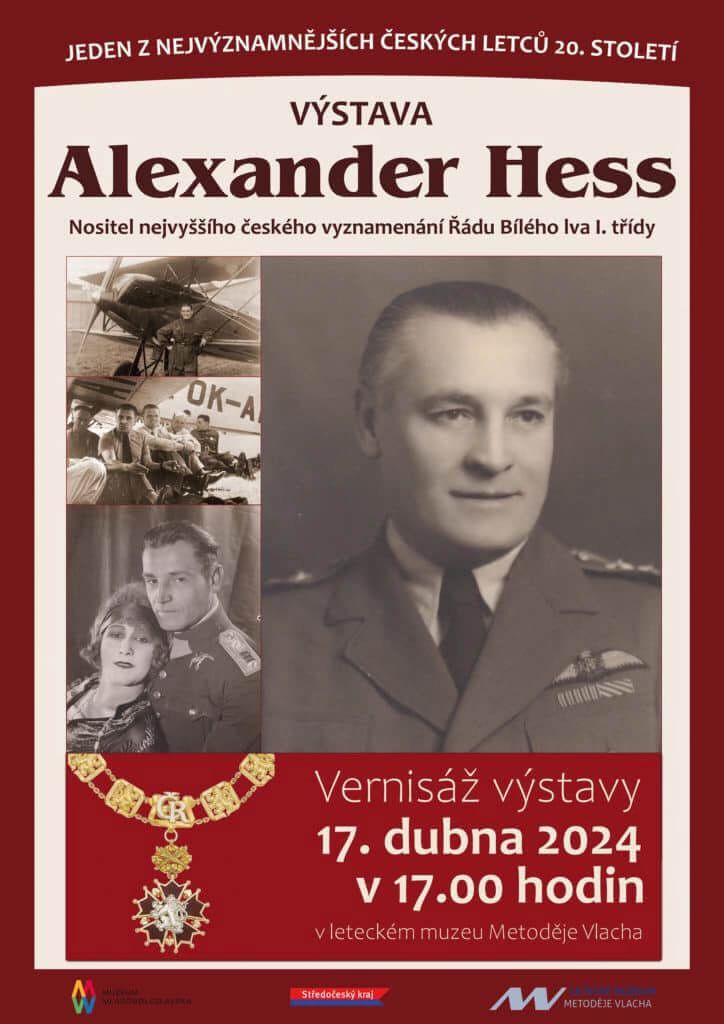
The first Czechoslovak squadron in the RAF was 310 Sqn, which was formed in June 1940 at RAF Innsworth Lane, Gloucestershire. It used the squadron code letters ‘NN’ and its badge depicted the Czechoslovak lion in front of an vertical sword and its motto was ‘We fight to rebuild’. At that time the RAF had reservations about placing one of its squadrons under the command of a foreign national, so the squadron was formed under the joint command of S/Ldr Blackwood (British) and S/Ldr Alexander Hess (Czechoslovak).

S/Ldr Alexander Hess, 1940

První československá peruť v Královském vojenském letectvu RAF byla 310., jenž byla zformována na letišti Innsworth Lane v hrabství Gloucestershire. Používala kódová písmena “NN” a její znak znázorňoval československého lva před svislým mečem a moto znaku znělo “ Bojujeme, abychom znovu budovali”. V té době mělo RAF výhrady k svěření velení nad jednou ze svých perutí velícímu důstojníkovi ze zahraničí, a tak byla peruť utvořena pod společným velením S/Ldr Blackwooda/Brit/ a S/Ldr Alexandra Hesse/Čechoslovák/.

It’s first operational base was at Duxford, where, on 10th July 1940, it was equipped with Hurricane Mk I’s. F/Lt Jeffries and F/Lt Sinclair, the first Flight Commanders, arrived on the same day.

První operační základnou perutě byl Duxford, kde byla 310.vybavena 10. července 1940 Hurricany Mk I. Téhož dne přijeli F/Lt Jeffries a F/Lt Sinclair, první velitelé letek perutě.

On 12th July, the first 24 Czechoslovak pilots started to arrive; with a further 9 on 13th, 20 more on 17th and 23 on 19th. All had served in the Czechoslovak Air Force prior to the occupation of Czechoslovakia on 15th March 1939. Within a few days of the occupation, the Czechoslovak Air Force was disbanded by the Germans and all personnel dismissed. In the subsequent months, until the end of October 1939, about 40% of the pre-war Czechoslovak Air Force managed to escape to Poland in anticipation of joining Czechoslovak military units being formed there. Initially the Poles were not interested in having the escaped Czechoslovaks in military units in Poland as they were concerned about provoking a reaction from Germany. Instead, it was arranged that these Czechoslovak airmen would go to France. As French law did not permit foreign military units being formed on its territory in peace-time, these airmen would have to enlist in the French Foreign Legion for a period of 5 years. They had the assurance that should war be declared they would be transferred from the Legion to l’Armée de l’Air. After war was declared, on 3rd September 1939, they were transferred to l’Armée de l’Air and many fought in the Battle of France prior to France capitulating and their evacuation to England. In England they were quickly enlisted into the RAF as there was an urgent need for pilots for the Battle of Britain. Thus many of the Czechoslovak airmen were still in their l’Armée de l’Air uniforms.

310 Sqn, Duxford, July 1940

12. července začalo přijíždět prvních 24 československých pilotů, dalších 9 dne následujícího, 17. července dalších 20 a 19. dne měsíce 23.Všichni z nich před německou okupací 15. března 1939 sloužili v československém vojenském letectvu..To bylo během několik dnů po okupaci Němci rozpuštěno a veškerý personál přišel o práci. V následujících měsících. do konce října 1939, se asi 40 procentům předválečných příslušníků Československého letectva podařilo uprchnout do Polska, kde se dle jejich předpokladů měli připojit k vojenským jednotkám zde vytvářeným. Zpočátku Poláci neměli o Čechoslováky ve vojenských jednotkách na svém území zájem, protože se obávali vyprokování reakce Německa. Místo toho bylo zařízeno, že tito čs. letci odjedou do Francie. Protože francouzské zákony nedovolovaly formování vojenských jednotek na svém území v době míru, tito letci budou muset vstoupit do Cizinecké legie na pět let. Byli ujištěni, že pokud vypukne válka, budou od Cizinecké legie přemístěni k francouzskému letectvu. Poté. co 3. září 1939 Francie vyhlásila Německu válku, byli čs. letci přeřazeni k letectvu a mnozí bojovali v Bitvě o Francii až do její kapitulace a své evakuace do Anglie. V Anglii byli rychle zařazeni do RAF, protože Královské vojenské letectvo urychleně potřebovalo piloty pro Bitvu o Británii. Tak mnozí z našich stále nosili francouzské letecké uniformy.

F/O John Boulton, 310 Sqn

F/O John Boulton had arrived on 14th July for flying instructor duties. His role was to re-train the Czechoslovak pilots to fly Hurricanes. F/O Ladislav Češek, a Briton of Czech origin, was engaged as an interpreter to assist in overcoming the language barrier and Mr Louis de Glehn was brought in to give English lessons, three times a week, to the Czechoslovak pilots. For these pilots it was reminiscent of only a few months earlier when they were in France and had joined l’Armée de l’Air, converted to French aircraft and had learnt French before they could become operational pilots in that Air Force. For P/O Vladimir Chocholín this was now the 3rd Air Force he had served in since leaving Czechoslovakia; having also served in the Polish Air Force prior to their defeat and being evacuated to France where he joined l’Armée de l’Air.

F/O John Boulton přijel 14. července jako letecký instruktor. Jeho úkolem bylo zaškolit čs. piloty v létání na Hurricanech. F/O Ladislav Češek, Brit českého původu, dostal jako tlumočník za úkol překonávat jazykovou bariéru a Louis de Glehn byl povolán, aby čs. piloty třikrát týdně vyučoval angličtině. Pro tyto piloty byl vstup do Francouzského vojenského letectva, přeškolení na francouzské letouny a výuka francouzštiny, než se mohli stát operačními piloty v tamtom letectvu, vzpomínkou starou pouhých několik měsíců. Pro P/O Vladimíra Chocholína to bylo třetí letectvo, ve kterém sloužil od doby, kdy odešel z Československa, když byl příslušníkem polského letectva až do jeho porážky a své evakuace do Francie, kde vstoupil do Francouzského vojenského letectva.

P/O Jaroslav Štěrbáček

The squadron was declared operational on 17th August and made its first operational patrol at 14:10 on 18th August. The squadron was part of 12 Group of RAF Fighter Command and part of Duxford’s ‘Big Wing’ Their first combat during the Battle of Britain came on 26th August when they engaged a formation of Do 215 bombers with Me 110 escorts. This action achieved the squadron’s first combat success with a Me 110 being shot-down by P/O Emil Fechtner, and a Do 215 by Sgt Eduard Prchal. However they also had three of their own Hurricanes shot down, although their pilots were saved. At the end of August, the squadron suffered its first loss with P/O Jaroslav Štěrbáček being shot down and killed on the 31st. He was the first Czechoslovak airman to be killed in RAF service.

310. peruť byla prohlášena za operační 17. srpna a následujícího dne ve 14: 10 hodin vykonala svůj první hlídkový let. Peruť byla součástí 12. skupiny Stíhacího velitelství RAF a Duxfordského “Velkého pluku”. Jejich první souboj během Bitvy o Británii se odehrál 26. srpna, kdy napadli formaci bombardérů Do 215 doprovázených Me 110. Při akci dosáhli prvního bojového úspěchu, kdy P/O Emil Fechtner sestřelil Me 110 a Sgt. Eduard Prchal Do 215. I když byly sestřeleny rovněž tři jejich vlastní Hurricany, ačkoliv se jejich piloti zachránili. Na konci srpna utrpěla peruť svoji první ztrátu, kdy byl 31. sestřelen a zabit P/O Jaroslav Štěrbáček. Byl prvním čs. letcem padlým v řadách RAF.

310 Sqn Battle of Britain pilots, September 1940.
Piloti 310. perutě, kteří se zúčastnili Bitvy o Británii, září 1940

During September the squadron was heavily engaged in combat over Essex and the Thames Estuary, and by the end of the Battle of Britain it had achieved the destruction of 37½ Luftwaffe aircraft. Three of its pilots were killed during the battle. This, including P/O Emil Fechtner, the squadron’s most successful pilot of the battle, who had achieved the destruction of 4 Luftwaffe aircraft, 1 probable and 1 damaged. He was killed on 29th October in a mid-air collision with F/Lt Jaroslav Malý, also of 310 Sqn.

Během září byla peruť často nasazena do boje nad hrabstvím Essex a ústím Temže a do konce Bitvy o Británii dosáhla zničení 37 a půl letadla Luftwaffe. Během bitvy byli zabiti tři její piloti, a to včetně nejúspěšnějšího pilota perutě v bitvě, P/O Emila Fechtnera, jenž dosáhl čtyř sestřelů jistých, jednoho pradvěpodobného a jeden stroj Luftwaffe poškodil. Přišel o život 29. října při srážce ve vzduchu s F/Lt Jaroslavem Malým, rovněž od 310. perutě.

With the ending of the Battle of Britain on 30th October, combat activity for the squadron rapidly declined with engagement of enemy aircraft replaced by uneventful patrols.

S ukončením Bitvy o Británii 30. října bojová činnost perutě proti nepřátelským letounům prudce klesla a nahradily ji hlídkové lety, při nichž se nic zvláštního nestalo.

1941

Commanding Officers:
Officer: Rank: From: To:
HESS Alexander, DFC S/Ldr 10/06/40 25/01/41
BLACKWOOD George D M S/Ldr 10/06/40 31/12/41
WEBER František S/Ldr 28/02/41 07/04/42
JEFFERIES-LATIMER Jerrard J, DFC S/Ldr 31/12/41 15/06/41
DOLEŽAL František, DFC S/Ldr 08/04/42 15/01/43
FOIT Emil S/Ldr 15/01/43 13/03/44
HRBÁČEK Hugo S/Ldr 13/03/44 25/05/44
RABA Václav S/Ldr 22/05/44 15/09/44
HARTMAN Jiří S/Ldr 15/09/44 14/09/45

With the critical requirement for pilots during the Battle of Britain now over, several of the squadron’s experienced, but older, pilots – Fürst, Hubáček, Kaucký, Prchal, Půda, Řechka and Šeda – were posted for non-front line flying and replaced with younger pilots. Sq/Ldr Hess, now 44, and one of the oldest pilots to have flown in the Battle of Britain, was posted to the Czechoslovak Inspectorate General in London on 28 February 1941, his operational flying career now over.

Když se kritická poptávka po pilotech za Bitvy o Británii stala minulostí, bylo několik zkušených, ale starších pilotů perutě – Fuerst, Hubáček, Kaucký, Prchal, Půda, Řechka a Šeda – odesláni k nebojovým leteckým jednotkám a nahrazeni piloty mladšími. Čtyřiačtyřicetiletý Sq/Ldr Hess, jeden z nejstarších pilotů, kteří bojovali v Bitvě o Británii, byl 28. února 1941 převelen na Československý inspektorát v Londýně a tím se jeho kariéra pilota uzavřela.

In February the squadron commenced offensive sweeps over northern France and also night patrols. These were interspersed with ‘Kipper’ patrols – patrols to protect British fishing boats in the North Sea against Luftwaffe attacks. These were to continue until July when the squadron was re-deployed to Martlesham Heath, in July. On 25th February, Duxford was bombed by the Luftwaffe at 22:30 and two Czech ground-crew, AC2 Pohner and LAC Zavadil, who were at dispersals, were killed as a result of the attack.

Duxford 1941.

V únoru peruť záhájila ofenzivní lety nad severní Francii a také noční hlídkování. Střídaly se s “ herinkovým” patrolováním k ochraně britských rybářských člunů v Severním moři před útoky Luftwaffe. To mělo trvat do července, kdy se peruť přesunula do Martlesham Heath. 25. února ve 22. 30 byl Duxford bombardován a dva príšlušníci pozemního personálu, AC2 Pohner a LAC Zavadil, kteří se nacházeli mimo kryt, byli při útoku zabiti.

Engagement with the Luftwaffe was now infrequent, but on the night of 12/13th April Acting S/Ldr Latimer achieved a ‘probable’ kill of a Ju 88 near Coventry. On 26th June, the squadron was re-deployed to Martlesham Heath, near Ipswich, Suffolk, and now coming under 11 Group Fighter Command. The squadron’s final victory before they re-deployed to Dyce was a Do 17 on 15 May shot down over the North Sea off North Foreland.

Střetnutí s Luftwaffe nyní nebyla častá, ale v noci z 12. na 13 dubna dosáhl mjr Latimer pravděpodobného sestřelu Junkerse 88 u Coventry. 26. července se peruť přemístila do Martlesham Heath u Ipswiche v hrabství Suffolk.a byla nyní součástí 11. skupiny Stíhacího velitelství. Posledním sestřelem perutě před stěhováním do Dyce ve Skotsku byl Dornier 17 poslaný k zemi 15. května nad Severním mořem u North Foreland.

On 19th July the squadron was re-deployed to Dyce, north-west of Aberdeen where they now came under 13 Group. At Dyce, working with a detachment of four aircraft at Montrose, their primary role was the night and day defence of Aberdeen and its surrounding area, included convoy patrols. The re-deployment north was marred by a Harrow aircraft, of 271 Sqn, crashing into the sea, 10 miles off Montrose, following an engine failure whilst transporting urgently needed equipment from Martlesham Heath to their new airbase. F/Sgt Evans, a British ground-crew member of 310 Sqn, was unable to escape from the sinking aircraft and drowned in the accident. The remaining six survivors were picked-up 1½ hr later from their dinghy by rescue boats without further incident.

19. července se peruť opět přesunula, do Dyce severovýchodně od Aberdeenu, čímž přešla pod 13. skupinu Stíhacího velitelství. V Dyce, společně se čtyřmi letadly umístěnými v Montrose, byla jejich hlavním úkolem v noci i za dne obrana Aberdeenu a jeho okolí včetně ochrany konvojů. Přesun na sever byl zkomplikován havárií letounu Harrow od 271. perutě do moře kvůli poruše motoru asi 16 km od Montrose. Ten převážel nutně potřebné vybavení z Martlesham Heath na novou základnu. F/Sgt Evans, britský příslušník pozemního personálu 310. perutě, se z potápějícího letadla nedostal včas a při nehodě se utopil. Zbývajích šest mužů bylo za hodinu a půl vyloveno ze své nafukovací dinghy záchrannými čluny bez další nešťastné události.

310 Sqn, Martlesham Heath, 1941

A highlight of many non-eventful patrols had been the escort of an aircraft flying a VIP passenger to the Shetland Islands on the 9th August and also on its return flight two days later. Shortly after the squadron were informed that the VIP they had been escorting was King George VI.

Vyvrcholením mnoha nezáživných hlídkových letů byl doprovod letounu s význačnýmim osobnostmi na Shetlandy 9. srpna a rovněž jeho zpáteční let o dva dny později. Krátce poté byla peruť informována, že tou význačnou osobou, kterou doprovázeli, byl král Jiří VI.

By late summer the last of the unit’s British RAF officers had been posted out to other squadrons and 310 Sqn was now under the command of Czechoslovak officers.

Koncem léta byli poslední britští důstojníci RAF od jednotky odveleni k jiným perutím a 310. peruť nyní byla pod velením československých důstojníků.

On 20th September the late recognition of a possible enemy aircraft, resulted in a Blenheim bomber from 21 Sqn being attacked off Kinnaird’s Head by two of 310 Sqn’s Hurricanes. One of the Blenheim’s engines was put out of action but it managed to land safely at Dyce with no injuries to its crew.

20. září mělo opožděné rozpoznání možného nepřátelského letounu za následek zaútočení na bombardér Blenheim od 21. perutě dvěma Hurricany 310. perutě u Kinaird´s Head. Jeden z motorů Blenheimu byl vyřazen z činnosti, ale tomu se podařilo bezpečně přistát v Dyce bez zranění posádky.

In late 1941 the squadron converted to Spitfires. During this conversion period five Spitfires were lost in training accidents but only one pilot: P/O W Sniechowski, a Polish Battle of Britain pilot with 310 Sqn, was killed on 8th December.

Koncem roku 1941 se peruť přeškolovala na Spitfiry. Během tohoto období bylo při haváriích během výcviku zničeno pět Spitfirů, ale pouze jeden pilot, P/O W. Sniechowski, polský účastník Bitvy o Británii u 310. perutě, se zabil 8. prosince.

Dyce, 11 November 1941, visit by President Eduard Beneš.

On 20th December 310 Sqn returned south when it was re-deployed to Perranporth, Cornwall as part of 10 Group Fighter Command. During their period in Scotland there had been little combat activity and their only combat success was a ‘probable’ Ju 88, over the North Sea about 8 miles off Aberdeen, by F/O Bergman on 13th August at 13:15.

20. prosince se 310. peruť vrátila na jih a přesunula se do Perranporthu v hrabství Cornwall, pod velení 10. skupiny Stíhacího velitelství. Během období ve Skotsku jednotka měla málo soubojů s nepřítelem a jediným bojovým úspěchem byl “pravděpodobný” sestřel Junkersu 88 nad Severním mořem asi 12 km od Aberdeenu F/O Bergmana 13. srpna v 13.15 hodin.

1942

‘A’ Flight Commanders:
Officer: Rank: From: To:
MALÝ Jaroslav F/Lt 12/07/40 12/12/40
SINCLAIR Gordon J, DFC F/Lt 12/07/40 12/12/40
DOLEŽAL František F/Lt 12/12/40 07/04/42
DAVIES Patrick B G F/Lt 12/12/40 29/08/41
BERGMAN Václav F/Lt 07/04/42 01/10/42
CHOCHOLÍN Vladislav F/Lt 01/10/42 01/02/43
HRBÁČEK Hugo F/Lt 01/02/43 15/10/43
HARTMAN Jiří F/Lt 15/10/43 11/08/44
DIVIŠ Miroslav F/Lt 11/08/44 06/01/45
DRBOHLAV Karel F/Lt 06/01/45 14/09/45

At Perranporth, 310 Sqn was mainly flying convoy patrols and also escorting PRU Spitfires to the Brest peninsular. Occasionally this routine would be broken with the interception of incoming Luftwaffee intruders. On 11th January a taxiing collision between F/O Kimlicka, who had landed on an incorrect runway and S/Ldr František Weber resulted in Weber being injured, which put an end to his operational flying. Following Weber’s accident, S/Ldr František Doležal was appointed the squadron’s C/O. The squadron was now also escorting Hurricanes and Whirlwinds on offensive raids to northern to France.

Z Perranporthu 310- peruť především hlídkovala nad konvoji a doprovázela průzkumné Spitfiry k bretaňskému poloostrovu a Brestu. Příležitostně byla tato rutina přerušena střetnutím s blížícími se narušiteli od Luftwaffe. 11. ledna došlo ke srážce F/O Kimličky, který přistál na nesprávné ranveji, s pojíždějícím S/Ldr Františkem Weberem, který byl zraněn a poté ukončil létání operačně. Po Weberově nehodě byl velícím důstojníkem perutě jmenován S/Ldr František Doležal. Jednotka nyní rovněž doprovázela Hurricany a Whirlwindy při jejich náletech na cíle v severní Francii.

310 Sqn, Perranporth, 1942

Sgt Škarvada become the squadron’s first PoW – on 4th February. Whilst on patrol with four other 310 Sqn Spitfires near the Scilly Isles, his Spitfire was last seen at about 12:50. His aircraft suffered an engine-failure forcing him to bail out. He landed in the sea and the cold subsequently caused him to loose consciousness. Whilst unconscious he was rescued by a German vessel which took him to France.

Sgt škarvada se stal 4. února prvním zajatým příslušníkem perutě. Při hlídce nad ostrovy Scilly s dalšími čtyřmi Spitfiry 310 byl jeho letoun naposledy spatřen ve 12.50. Škarvadovu letounu vysadil motor, což pilota donutilo vyskočit padákem. Přistál v moři a kvůli chladu postupně upadl do bezvědomí, když byl vyloven plavidlem německého námořnictva, které ho odvezlo do Francie.

On 12th April, whilst practicing the use of on-board cine-cameras during aerial-combat, two of 310 Sqn Spitfires were in collision over the sea near Perranporth. The tail of F/Sgt Halata’s Spitfire was clipped by the Spitfire of F/Lt Zimprich causing Halata’s aircraft to go into a near vertical dive into Gaer Sand killing the pilot outright. Zimmrich’s damaged Spitfire was seen to be flying very low from the sandhills towards the beach, its undercarriage up, but with the flaps down and engine cut. He overshot the beach and landed in the sea about 50 metres from the shore. For some minutes observers on the beach saw the tail of the Spitfire sticking out from the sea and a dark object, wearing a Mae-west, floating away from it. The beach observers attempted to form a human chain to reach the aircraft but were beaten back by the sea. His body was washed ashore on 14th July 1942 at Combe Martin, Devon.

12. dubna se během nácviku použití vestavěných kamer během leteckého souboje srazily dva ze Spitfirů 310. perutě nad mořem u Perranporthu. Ocas Spitfiru F/Sgt Halaty byl useknut Spitfirem F/Lt Zimpricha. Následoval let Halatova letounu téměř střemhlav do Gaer Sand, což pilota okamžitě zabilo. Bylo vidět, jak Zimprichův poškozený Spitfire letí velmi nízko od písečných kopců směrem k pláži, s podvozkem zataženým, klapkami dole a zhasnutým motorem. Pilot přeletěl nad pláží a přistál asi 50 metrů od břehu v moři. Několik minut bylo z pláže vidět ocas Spitfiru trčící z vody a tmavý předmět v Mae vestě, jak plave pryč od letadla. Lidé na břehu se pokusili utvořit lidský řetěz, aby se dostali až k letounu, ale moře jim to překazilo. Zimprichovo tělo bylo vyplaveno na břeh 14. července v Combe Martin v hrabství Devon.

On the 28th April, 310 Sqn achieved their first combat success, with 10 Group, when a reconnaissance Ju 88 was shot down by Vindiš and Foit.

28. dubna dosáhla 310. peruť prvního úspěchu v boji u 10. skupiny, když průzkumný Ju 88 byl sestřelen Vindišem a Fojtem.

In May 310 Sqn with 312 Sqn and 313 Sqn became the Czechoslovak Fighter Wing, based at Exeter under the command of W/Cmdr Alois Vašátko. The Czech Wing’s first operation was ‘Rodeo’ 11 – offensive fighter sweeps over enemy territory – on 1st June when 11 of 310 Sqn Spitfires participated in a uneventful sweep over France between Cap de la Hauge and Cherbourg.

V květnu se z 310., 312 a 313. perutě stal Československý stíhací pluk se základnou v Exeteru a pod velením W/Cmdr Aloise Vašátka. První akcí pluku bylo 1. června “Rodeo 11” – útoky stíhaček nad území obsazené nepřítelem, kdy se jedenáct Spitfirů 310. perutě zúčastnilo na letu mezi Cap de la Hauge a Cherbourgem. Během letu se nic zvláštního nestalo.

The Czech Wing’s first success came on 5th June during ‘Circus 7’, the escort of Boston light-bombers on a raid on the Luftwaffe airfield at La Morlaix. The Wing was attacked by 8 Fw 190s and in the ensuing dog-fight 5 of the enemy planes were damaged with only the Spitfire of Sgt Chlup being damaged. On the 23rd of that month, following successful aerial combat with F/Sgt Trejtnar, at 19,000 feet north of Exeter, Oberleutnant Armin Faber, flying a FW190A-3 became disorientated, flew north and instead of landing in France mistakenly landed at Pembrey in South Wales. Thus the RAF were gifted with a FW190A-3 for evaluation.

Čs. pluk dosáhl prvního úspěchu 5. června během akce “Circus 5” při doprovodu lehkých bombardérů Boston v náletu na letiště Luftwaffe v La Morlaix. Na pluk zaútočilo osm Fockewulfů 190 a v následujícím souboji kdo s koho bylo pět německých letadel poškozeno. Nám jediný Spitfire Sgt Chlupa. 23. června, po úspěšném vzdušném souboji s F/Sgt Trejtnarem ve výšce asi 6 500 metrů severně od Exeteru, ztratil Oberleutnant Armin Faber na Fw 190A-3 orientaci, letěl na sever, a místo ve Francii přistál omylem v Pembrey v jižním Walesu. Tím způsobem dostala RAF Fw 190 A-3 jako dar z nebes a nechala jeho vlastnosti v boji testovat.

On 12th July, the 2nd anniversary of the squadron’s formation was appropriately celebrated with F/Sgt Šrom and Sgt Pernica shooting down a low-flying Ju 88 into the sea near Bolt Head, South Devon. Later that month the squadron commenced ‘Rhubarb’ operations – offensive flights from Exeter over northern France in periods of low cloud/poor visibility searching for Luftwaffe airfields to attack–on.

12. července bylo druhé výročí založení perutě řádně oslaveno sestřelením nízkoletícího Ju 88 do moře u Bolt Head v jižním Devonu F/Sgt Šromem a Sgt Pernicou. Později téhož měsíce zahájila peruť operace “Rhurbarb” – útoky z Exeteru nad severní Francii za nízké oblačnosti a špatné viditelnosti, kdy piloti hledali německá letiště, aby na ně zaútočili.

310 Sqn, Redhill, 19 August 1942

On 19th August, 310 Sqn participated in ‘Operation Jubillee’ – Dieppe. Under the command of W/Cmdr Karel Mrázek and operating from Redhill their first mission was at 07:55 with the escort of Hurri-bombers to Bologne to prevent German e-boats attacking the invasion fleet at Dieppe. They returned to Redhill by 09:35 for re-fueling and re-arming, taking-off again at 10:20 for the landing area at Dieppe, returning by 11:55 with 3 probable Do 217s being claimed. Their final mission that day was at 14:10, returning by 15:00. Whilst ‘Operation Jubilee’ was ill-fated, it had been a successful day for 310 Sqn; 1 Luftwaffe aircraft destroyed, 3 probables, 6 damaged and S/Ldr Doležal was awarded a DFC for his role that day.

19. srpna se 310. peruť zúčastnila operace “Jubillee” – Dieppe. Pod velením W/Cmdr Karla Mrázka odstartovali z Redhillu poprvé v 07.55 jako doprovod Hurri-bomberů na přístav Bologne, aby zabránili německým rychlým člunům v útoku na invazní flotilu u Dieppe. Do Redhillu se vrátili v 09.35 k doplnění paliva a munice a opět odstartovali V 10.20 nad oblast vylodění u Dieppe. Přístáli do 11.55 a nárokovali si tři pravděpodobně sestřelené Dorniery 217. Jejich poslední operační let se toho dne uskutečnil ve 14.10 s návratem do 15.00. Ačkoiliv operace “Jubillee” skončila nezdarem, pro 310. peruť to byl den úspěšný – jedno letadlo Luftwaffe zničeno, tři pravděpodobně, šest poškozeno a S/Ldr Doležalovi byl za výkon toho dne udělen Záslužný letecký kříž.

During September they lost 2 pilots: Sgt Janata on 11th during a weather reconnaissance flight and Sgt Stanek on 22nd during Rhubarb 89. On 7th November P/O Doucha was also lost whilst flying Rhubarb 35 to Brest.

Během září ztratili dva piloty – Sgt Janatu 11. během průzkumu počasí a Sgt Staňka 22. během akce Rhubarb 89. Dne 7. listopadu rovněž přišli o ppor. Douchu při letu Rhubarb 35 nad Brest.

Exeter, October 1942

During the latter part of the year adverse weather conditions restricted offensive flying. The squadron reverted to playing a defensive role against Luftwaffe fighter-bombers attacking coastal installations along the southwest coast, but they achieved no combat success.

Během druhé části roku byly letecké útoky omezeny nepříznivým počasím. Peruť se vrátila k ochranné činnosti proti bitevním stíhačkám Luftwaffe útočícím na pobřežní cíle podél jihozápadního pobřeží Anglie, ale piloti nedosáhli žádného bojového úspěchu.

1943

‘B’ Flight Commanders:
Officer: Rank: From: To:
RYPL František F/Lt 12/07/40 10/12/40
JEFFERIES Jerrard J, DFC F/Lt 12/07/40 01/01/41
WEBER František F/Lt 10/12/40 28/02/41
KNIGHT M W B F/Lt 15/02/41 08/03/41
JANOUCH Svatopluk F/Lt 08/02/41 29/05/41
BODIE Crelin W, DFC F/Lt 08/03/41 03/06/41
KREDBA Miloslav F/Lt 29/05/41 14/02/42
FOIT Emil F/Lt 14/02/42 15/11/42
BURDA František F/Lt 15/11/42 27/02/43
HARTMAN Jiří F/Lt 27/02/43 01/06/43
CHOCHOLÍN Vladislav F/Lt 01/06/43 24/06/43
KIMLIČKA Bohuslav F/Lt 04/06/43 06/12/43
RABA Václav F/Lt 06/12/43 21/05/44
BERNARD František F/Lt 21/05/44 14/09/45

Offensive patrols over northern France continued and on 29th January the squadron was involved in a dog-fight over Morlaix airfield resulting in the loss of two 310 Sqn pilots, but it cost the Luftwaffe 1 Fw 190 destroyed, 1 probable and 2 damaged. On 27th February the squadron re-deployed to Predannack, Cornwall, where again their role was to conduct offensive sweeps over northern France and also convoy patrols.

Útočné hlídkové lety nad severní Francii pokračovaly a 29. ledna se peruť zapojila do souboje nad letištěm Morlaix, což mělo za následek ztrátu dvou pilotů 310. perutě, ale Luftwaffe to stálo jeden Fockewulf 190 zničený, jeden pravděpodobně a dva poškozené. 27. února se peruť přesunula do Predannacku v Devonu, kde bylo opět jejím úkolem provádění ofenzívních letů nad severní Francií a také doprovod konvojů.

On 26th June it was re-deployed to Castletown, Caithness, for a rest period. Here their role was the aerial defence of the Royal Navy ships and installations at Scapa Flow, Orkney Islands, and the squadron was equipped with high-altitude Spitfire VIs. A detachment was also based at Sumburgh, Shetland Isles. During this period there were only a few encounters with Luftwaffe aircraft.

26. června byla 310 přestěhována do Castletown v oblasti severního Skotska Caithness, aby si zde odpočala. Zde byla jejím úkolem obrana lodí Královského námořnictva a námořní základny Scapa Flow na Orknejích a peruť byla vyzbrojena výškovými Spitfiry VI. Část perutě byla umístěna rovněž v Sumburghu na Shetlandech. Během tohoto období došlo pouze k několika střetnutím s letadly Luftwaffe.

On 20th September, they were re-deployed south, initially to Ibsley, Hampshire, where they joined 312 and 313 Sqns to become part of the Ibsley Wing later to become known as the Czech Wing. They were mainly flying ‘Ramrods’ – short-range bomber raids to destroy ground targets – and also shipping reconnaissance flights. On Ramrod 87, a bomber raid on Brest on the 24th, F/Lt Chocholín was lost following aerial combat with a Me 110 over the English Channel about 20 miles off Quessant. He achieved a ‘probable’ with the Me 110, but in the engagement his aircraft was hit and he reported oil spurting into the cockpit. His aircraft was seen to go into a steady descent, trailing white smoke, and then crash into the sea. It is believed that he was overcome by fumes. He is remembered on panel 119 at the Runnymede Memorial.

20. září se piloti opět přesunuli na jih, nejprve do Ibsley v hrabství Hampshire, kde se přidali k 312. a 313. peruti, aby se stali součástí Pluku z Ibsley, který se stal později známý jako Český pluk. Létali hlavně operace “Ramrod” – bombardovací lety na krátkou vzdálenost ke zničení pozemních cílů, a také průzkumné lety k vyhledávání lodí. Při Ramrod 87, náletu na Brest 24. dne měsíce ztratila jednotka F/Lt Chocholína po vzdušném souboji s Me 110 nad kanálem La Manche asi 30 km od Quessantu. Pilot pravděpodobně sestřelil Me 110, ale při souboji byl jeho letoun zasažen a on hlásil stříkání oleje do kabiny. Bylo vidět, jak jeho letoun stále klesá, kouří se z něho, až havaroval do moře. Má se za to, že pilot se udusil výfukovými zplodinami. Jeho jméno je uvedeno na panelu 119 Památníku Runnymede.

310 Sqn, Llanbedr, December 1943

In November the Wing was re-named 134 Czech Airfield and became part of the 2nd Tactical Air Force.

V listopadu byl Pluk přejmenován na 134. České letiště a stal se součástí 2. Taktické letecké armády.

1944

Aircraft: From: To:
Hurricane I Jul 1940 Mar 1941
Hurricane IIA Mar 1941 Dec 1941
Spitfire IIA Oct 1941 Dec 1941
Spitfire Vb Nov 1941 Feb 1944
Spitfire Vc Jul 1944 Aug 1944
Spitfire VI Jul 1943 Sep 1943
Spitfire IX Jan 1944 Feb 1946

Between 20th January and 8th February the squadron was re-equipped with Spitfire Mk IXs. 134 Czech Airfield was renamed to 134 Czech Wing and was re-deployed to Mendlesham. Here they undertook dive-bombing training in preparation for D-Day and on 3th April were re-deployed to Appeldram, West Sussex.

Od 20. ledna do 8. února byla peruť přezbrojena na Spitfiry Mk IX. 134. České letiště bylo přejmenováno na 134. Český pluk a byl přemístěn do Mendleshamu. Zde prodělala výcvik v bombardování střemhlav v přípravách na vylodění a 3. srpna se piloti stěhovali do Appledramu v hrabství West Sussex.

The squadron participated in ‘Operation Neptune’; the landing operation phase of ‘Operation Overlord’, more commonly known as D-Day. The flew a total of 48 sorties during four missions during the day. The first was a 07:20 take-off, when the Czech Wing led by Gp/Cpt ‘Sailor’ Malan provided low cover for landing troops and ships at the Juno landing beach. They returned at 09:15, and after refueling and re-arming the 2nd mission took off at 12:15 under the command of W/Cmdr Vybíral and returned at 14:25. The 3rd mission, led by S/Ldr Raba, took off at 16:30 and returning at 18:00. The final mission took off at 20:35, under the command of F/Lt Hartman, and returned at 22:35. Apart from some light flak they encountered no German air activity during that day.

Peruť v se zúčastnila operace “Neptun”, fáze vyloďování operace “Overlord”, běžněji známé jako Den D. Během dne podnikli její piloti 48 letů během čtyř akcí. První začala startem v 07:20 kdy Český pluk vedený Gp/Cpt Malanem přezdívaným “námořník” poskytoval vyloďujícím se jednotkám a lodím na pláži Juno vzdušné krytí v malé výšce. Vrátili se v 09:15 a po doplnění paliva a střeliva odstartovali k druhé akci ve 12:15 pod velením W/Cmdr Vybírala, z níž přistáli ve 14:25. K třetí misi odstartovali pod velením mjr Raby v 16:30 a vrátili se v 18:00. Akce poslední začala v 20:35 pod velením F/Lt Hartmana a byli zpět v 22:35. Toho dne se kromě palby lehkého flaku nesetkali s žádnou vzdušnou činností Němců.

On 28th June the squadron was re-deployed to Plumelot, France and their role was to attack ground targets. However the perceived casualty rate that 2nd Tactical Air Force was expected to have in France meant that the squadron would quickly have a pilot shortage. Because of this, on 30th June, the squadron was re-deployed back to England. Initially based at Lympne, Kent, where its role was anti-V1 patrols and also the escort of Halifax and Lancaster bombers on raids to France.

28. června peruť přelétla do Plumelotu ve Francii a měla za úkol útočit na pozemní cíle. Ale předpokládané procento ztrát, které bylo u 2. Taktické letecké armády ve Francii očekáváno znamenalo, že peruť bude brzo mít nedostatek pilotů. Kvůli tomu byla jednotka 30. června přesunuta zpět do Anglie, nejprve na základnu v Lympne, kde měla za úkol sestřelovat bezpilotní V-1 a také doprovod bombardérů Halifax a Lancaster při náletech nad Francii.

On 7th July the Czechoslovak Wing was pulled out of the front line for a rest period and re-deployed to Digby. With little operational flying being undertaken, many of the pilots volunteered for ‘Ranger’ patrols – flights over enemy territory with the intention of occupying and tiring enemy fighters. – over Belgium and Holland. The final combat victory for 310 Sqn came on 8th August when F/O Mašek and Sgt Elbogen, flying a ‘Ranger’ patrol, shot down a Do 217 east of Nijmegen, Holland. On the 28th of that month the squadron re-deployed to North Weald.

7. července byl Československý pluk stažen z fronty k odpočinku a přelétnut do Digby. Při malém počtu hodin operačního létání řada pilotů se dobrovolně zúčastnila akcí “Ranger” – letů nad územím obsazeným nepřítelem s úmyslem zaměstnat a unavit nepřátelské stíhače nad Belgií a Holandskem. K poslednímu sestřelu 310. perutě došlo 8. srpna, kdy F/O Mašek a Sgt Elbogen během akce “Ranger” sestřelili Do 217 východně od Nijmegenu.v Holandsku. 28. dne toho měsíce byla 310. přemístěna do North Wealdu.

North Weald, 1944

The squadron participated in ‘Operation Market Garden’ – the capture of the Arnhem Bridge and other bridges in Holland to give Allied ground forces a route into Germany. In this ill-fated operation they provided escort on 17th September to transport aircraft and gliders for the initial drop by British airborne troops and also, despite the bad weather in the Arnhem region, subsequent supply drops to the paratroops surrounded there.

Peruť se zúčastnila operace “Market Garden” – dobytí mostů nejen v Arnhemu v Holandsku, aby spojenecké pozemní jednotky tudy pronikly do Německa. Při této nešťastné akci doprovodila 17. září dopravní letouny a kluzáky při jejich prvnímu shozu britských parašutistů a také navzdory špatnému počasí v oblasti Arnhemu při dalších shozech materiálu zde obklíčeným parašutistům.

For the remainder of the year, 310 Sqn’s role was the escort of bombers on raids to Germany. On 29th December the squadron was re-deployed to Bradwell Bay, Essex.

Po zbytek roku byl úkolem 310. perutě doprovod bombardérů při náletech na Německo. 29. prosince se jednotka přestěhovala do Bradwell Bay v Esssexu.

1945

Bases:
Group: Base: Map key: From: To:
12 Duxford, Cambridgeshire.
17 10/07/40 26/06/41
12 (detachment at Coltishall, Norfolk.) 19 (27/03/41) (31/03/41)
11 Martlesham Heath, Suffolk. 16 26/06/41 20/07/41
13 Dyce, Aberdeenshire. 24 20/07/41 15/12/41
13 (detachment at Montrose.) 23 (23/07/41) (01/11/41)
13 (detachment at Montrose.) 23 (09/12/41) (12/12/41)
10 Perranporth, Cornwall. 1 20/12/41 08/03/42
10 (detachment at Predannack, Cornwall.) 2 (09/02/42) (11/02/42)
10 Warmwell, Dorset. 6 08/03/42 21/03/42
10 Perranporth, Cornwall. 1 21/03/42 07/05/42
10 Exeter, Devon. 5 07/05/42 26/06/43
10 (detachment at Bolt Head, Devon.) 4 (12/05/42) (13/07/42)
11 (detachment at Redhill, Surrey.) 10 (01/07/42) (07/07/42)
10 (detachment at Bolt Head, Devon.) 4 (27/07/42) (03/08/42)
11 (detachment at Redhill, Surrey.) 10 (16/08/42) (20/08/42)
10 (detachment at Bolt Head, Devon.) 4 (24/08/42) (31/08/42)
10 (detachment at Warmwell, Dorset.) 6 (05/09/42) (06/09/42)
10 (detachment at Bolt Head, Devon.) 4 (07/09/42) (23/09/42)
10 (detachment at Harrowbeer, Devon.) 3 (07/09/42) (07/09/42)
10 (detachment at Bolt Head, Devon.) 4 (05/02/43) (13/02/43)
10 (detachment at Bolt Head, Devon.) 4 (01/03/43) (09/03/43)
13 Castletown, Caithness. 25 26/06/43 21/09/43
13 (detachment at Sumburg, Shetland Isles.) 26 (20/07/43) (21/09/43)
10 Ibsley, Hampshire. 7 22/09/43 02/12/43
9 Llanbedr, Gwynedd. 22 02/12/43 15/12/43
10 Ibsley, Hampshire. 7 15/12/43 19/02/44
12 Mendlesham, Suffolk. 18 20/02/44 28/03/44
12 (detachment at Hutton Cranswick, Yorkshire.) 21 (21/02/44) (24/02/44)
13 Southend, Essex. 12 29/03/44 03/04/44
2TAF Appeldram, West Sussex. 8 03/04/44 22/06/44
2TAF Tangmere, West Sussex. 9 22/06/44 28/06/44
2TAF B10 Plumetot, France. 28/06/44 29/06/44
2TAF Tangmere, West Sussex. 9 29/06/44 03/07/44
2TAF Lympne, Kent. 11 04/07/44 11/07/44
12 Digby Lincolnshire. 20 11/07/44 28/08/44
12 (detachment at Hutton Cranswick, Yorkshire.) 21 (13/07/44) (28/08/44)
11 North Weald, Essex. 14 28/08/44 29/12/44
11 Bradwell Bay, Essex. 15 29/12/44 27/02/45
11 Manston, Kent. 12 27/02/45 07/08/45
Hildesheim, Germany. 07/08/45 13/08/45
Prague-Ruzyne, Czechoslovakia. 13/08/45 14/09/45
Prague-Kbely, Czechoslovakia. 14/09/45 15/02/46

The closing months of the war saw 310 Sqn continuing to provide escort for ‘Ramrod’ missions into northern Holland and Germany, but as the front line moved further eastwards these gradually declined. On 27th February, the squadron re-deployed to Manston from where it provided fighter escort to gliders and transport aircraft participating in ‘Operation Varsity’ – the crossing of the Rhine into Germany.

Během posledních měsíců války 310. peruť pokračovala v doprovázení při letech “Ramrod” nad severní Holandsko a Německo, ale jak se fronta pohnula na východ, těchto rychle ubylo. 27. února se piloti přemístili do Manstonu, odkud poskytovali stíhací doprovod kluzákům a dopravním letounům při operaci “Varsity” – překročení Rýna do Německa.

The squadron’s last offensive mission was on 25th April when they attacked coastal batteries at Wangerooge, on the East Frisian Islands, off the north German coast. In the closing days of the war General Patton’s 3rd US Army was already fighting in western Czechoslovakia and the Czechoslovak Government in Exile in London made strenuous attempts to have the three Czechoslovak RAF squadrons re-deployed to liberate Czechoslovak territory so that they could participate in the liberation of Prague. Despite these attempts they were continually stalled by the Russians. Finally, on 7th May, the Russians refused permission for the three Czechoslovak RAF fighter squadrons to participate in the liberation of their homeland.

Poslední útočný let perutě se uskutečnil 25. dubna, kdy zaútočila na pobřežní baterie ve Wangerooge na Východofríských ostrovech u německého pobřeží. V posledních dnech války už třetí americká armáda bojovala v západních Čechách a československá exilová vláda se usilovně snažila dát přelétnout tři čs. perutě RAF do Československa, aby se mohly podílet na osvobození Prahy. U těchto pokusů Rusové opakovaně hráli o čas . Nakonec 7. května Rusové odmítli třem československým perutím RAF zúčastnit se osvobození své vlasti.

Instead they participated in ‘Operation Nestegg’, where they provided patrol cover for Allied Forces who were making a seaborne landing on the Channel Islands. On 7th June they were again to provide patrol cover to the Channel Islands; this time as escort to King George VI and Queen Elizabeth making a visit to the only British territory that had been occupied by the Germans during the war.

Místo toho se zúčastnili operace “Nestegg” ,kde spojeneckým jednotkám poskytovali krytí ze vzduchu při vylodění na ostrovech v kanálu La Manche, 7. června opět kryli ostrovy ze vzduchu, tentokrát jako doprovod králi Jiřímu VI. a královně Elisabeth, když ti navštívili jediné britské území, jenž bylo Němci za války okupováno.

W/O Jindřich Landsman

On 15th June the squadron suffered its last fatality of the war. Twelve of 310 Sqn aircraft were carrying out practice attacks with Mustang aircraft of 65 Group USAAF, when W/O Jindřich Landsman was killed in a tragic accident. He was flying a Spitfire F. Mk IXc, MH323 when at 14:35 he was in collision from underneath with another 310 Sqn Spitfire F. IXc, MH330, flown by F/O Popelka. Landsman’s Spitfire was seen to dive straight into the North Sea off Potter Bar, Suffolk. Popelka managed to bail out at 10,000 feet, being struck by the tail-plane on exiting the cockpit, and landed in rough seas. He was unable to inflate his dinghy but was supported by his Mae-West for about an hour when he was picked up by the trawler ‘Florio’. Despite an extensive Air-Sea Rescue search no trace was found of W/O Landsmann or his aircraft. He is commemorated on panel 269 at the Runnymede Memorial.

15. června peruť utrpěla poslední ztrátu na životech během války. Dvanáct letadel provádělo cvíčné útoky s Mustangy 65. skupiny USAAF, když W/O Lansman zahynul během tragické nehody. Letěl na Spitfiru F verze IXc číslo MH323, když v 14:35 zespodu vrazil do jiného Spitfiru F IXc číslo MH330 pilotovaného F/O Popelkou. Bylo vidět, jak Landsmanův Spitfire padá střemhlav přímo do Severního moře u Potter Bar, Suffolk. Popelkovi se ve výšce tři a půl tisíce metrů podařilo vyskočit, i když ho při opouštění kabiny udeřil ocas letounu. Přistál v rozbouřeném moři a nebyl schopen nafouknout záchranný člun, ale za pomoci plovací vesty vydržel asi hodinu, než ho vylovil rybářský člun “Florio”. Navzdory úsilovnému hledání Letecké záchranné námořní služby nebyla nalezena žádná stopa po W/O Landsmanovi ani jeho letounu. Je připomenut na panelu 29 Památníku Runnymede.

310 Sqn, Manston, Spring 1945.
S českým označením, Manston, léto 1945

Finally in August, some three months after the war in Europe had finished, the Czechoslovak RAF squadrons were given permission by the Russian liberators to return to their homeland. During this waiting period they had been re-equipped with new Spitfire Mk IXs – marked in Czechoslovak Air Force markings – and their uniforms now carried Czechoslovak Air Force ranks. They left Manston on 7th August to fly back in stages, to Prague. They had reached Hildesheim, Germany, when bad weather prevented any further flying. After a week’s delay there, they were able to continue to Prague, arriving at Ruzyně airport, Prague, at 05:00 on 13th August.

Konečně v srpnu, tři měsíce poté, co válka v Evropě skončila, dostaly čs. perutě RAF od ruských osvoboditelů povolení vrátit se do své vlasti. Během tohoto čekání dostaly nové Spitfiry Mk IX v kamufláži Československého vojenského letectva a jejich uniformy nyní byly označeny těmito hodnostmi. 7. srpna odstartovali z Manstonu, aby letěli do Prahy po etapách. Přistáli v Hildesheimu v Německu, když jim špatné počasí zabránilo pokračovat v letu. Po týdenním zdržení mohli pokračovat v cestě a 13. srpna v 5 hodin ráno přistáli na ruzyňském letišti v Praze.

With Czech markings, Manston, Summer 1945

On 14th September they re-deployed to Kbely airbase, Prague. The squadron was officially disbanded from the RAF on 16th February 1946 and became the 10th Fighter Regiment (10. Stíhací pluk) of the 1st Air Division (1. letecká divize) in the post-WW2 Czechoslovak Air Force.

14. září se 310. peruť přestěhovala na letiště Kbely v Praze. Jednotka byla oficiálně vyřazena z Královského vojenského letectva 16. února 1946 a v Československém poválečném letectvu se stala se 10. Stíhacím plukem 1. Letecké divize.

Summary of 310 Sqn’s activities during WW2 :

• 32 Pilots killed
• 2 ground-crew killed
• 4 pilots became PoW’s
• 2 pilots shot down over occupied territory; they evaded capture and reached
Spain from where they returned to England
• 9 pilots awarded DFC medals.
• 49 aircraft lost on operations
• 18 aircraft lost due to training accidents
• 65 Luftwaffe aircraft destroyed
• 4 V1 rockets destroyed
• 18 Luftwaffe aircraft claimed as ‘probable’
• 30 Luftwaffe aircraft claimed as ‘damaged’
• 10,985 sorties flown

Souhrn činností 310. perutě během druhé světové války :

• 32 pilotů zabito
• 2 příslušníci pozemního personálu zabiti
• 4 piloti padli do zajetí
• 2 piloti byli sestřeleni nad okupovaným územím, unikli zajetí a dostali se do
Španělska, odkud se vrátili do Anglie
• 9 pilotů bylo vyznamenáno Záslužným leteckým křížem DFC
• 49 letounů zničeno při operačních letech
• 18 ztraceno kvůli haváriím při výcviku
• 65 letadel Luftwaffe zničeno
• 4 rakety V1 zničeny
• 18 letounů Lutfwaffe nárokováno jako sestřelené pravděpodobně
• 30 letadel Luftwaffe označeno jako poškozené
• Vykonáno 10 985 operačních letů


Article last updated 27 April 2013


Posted in 310 Sqd, Information | 2 Comments

Velke Hamry children visit Namest nad Oslavou airbase

Děti z Velkých Hamrů navštívili letiště v Náměšti nad Oslavou.

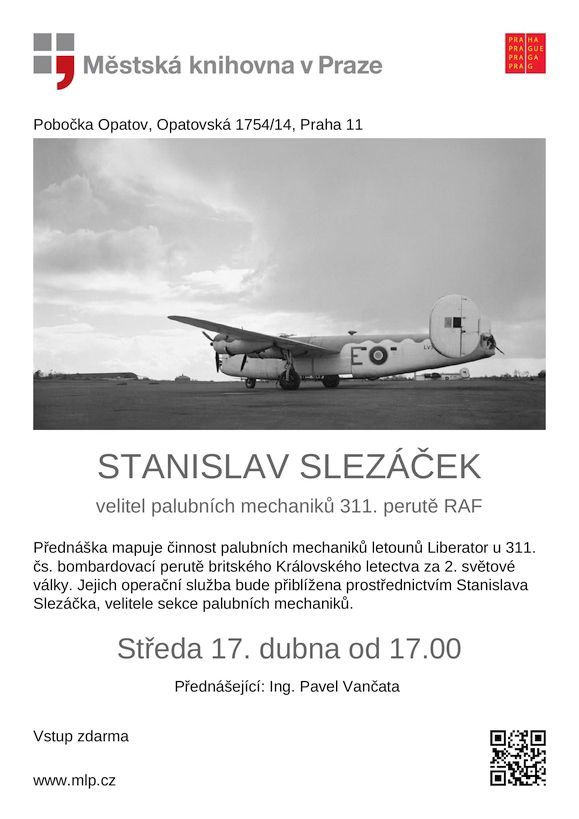
In February 2012 we published a biography of Josef Mohr the navigator who died following the tragic last flight of Wellington KX-B of 311 Sqn on 28th Dec 1941. Josef Mohr was born in Velké Hamry on the 5th October 1912 and the family grave is also located there. One of the many people who read the article was ‘Jirka’, a youth group leader from Velké Hamry and who also kindly commented on the article.

V únoru 2012 jsme zveřejnili životopis Josefa Mohra navigátora, který zemřel při tragickém posledním letu Wellingtonu KX-B dne 28 prosince 1941. Tento letoun patřil k 311 čs. peruti RAF. Josef Mohr se narodil ve Velkých Hamrech dne 5. října 1912. Zde se také nachází hrob rodiny Mohrových. Jeden z mnoha lidí, kteří četli tento článek je “Jirka”, vedoucí turistického oddílu mládeže z Velkých Hamrů, který také laskavě článek okomentoval.

That December we were pleased to learn that ‘Jirka’ had done more than just left a comment; his Liščata Youth Tourist Club had participated in a 72hr voluntary project during which they had tidied up Josef Mohr’s family grave. But the young members of the Liščata Youth Tourist Club went further than this; between themselves they voluntarily decided that they would continue to take care of this grave in the future as well.

V prosinci loňského roku jsme se s potěšením dozvěděli, že “Jirka” udělal více než jen zanechání komentáře. Jeho Liščata, jak se turistický oddíl mládeže jmenuje, se podílela na 72 hodinovém dobrovolném projektu, během kterého uklízela hrob rodiny Mohrových. Ale Liščata šla ještě dále. Rozhodla se, že budou pečovat o tento hrob i v budoucnu.

Members of the KX-B Project Team, who are serving officers in 222 Sqn “ŠIŠKOVA” of the Czech Air Force, and based at Náměšt nad Oslavou airbase, Czech Republic, read this article with great interest. They were quickly in contact with ‘Jirka’ to invite the Liščata Youth Tourist Club to their airbase where the Alois Šiška exhibition, not usually available for public viewing, is located. Alois Šiška was the Captain of Wellington KX-B on its last flight.

Členové realizačního týmu projektu KX-B, příslušníci 222. „ŠIŠKOVY“ letky Vzdušných sil AČR z 22. základny letectva u Náměště nad Oslavou si s velkým zájmem přečetli tento článek. Pozvali “Jirku” a Liščata na leteckou základnu a letku, kde je umístěna i neveřejná výstava kapitána posledního letu Wellingtonu KX-B, patrona letky, Aloise Šišky.

This slideshow requires JavaScript.

On 28 March 2013, 16 Liščata Youth Tourist Club members with four Youth Leaders visited the airbase for the day. Their visit started with close proximity viewing of fully-armed L-39 ZA Albatros fighter-training aircraft of the Czech Air Force taking-off and taxiing.

Dne 28. března 2013 Liščata, šestnáct dětí a čtyři vedoucí strávili
na letecké základně bezmála pět hodin. Návštěva začala sledováním pojíždějících vyzbrojených letounů L-39 ZA Albatros, které vzápětí startovaly.

This was followed by a visit to the main Squadron building to warm-up, were they were told the KX-B story and about its crew member Josef Mohr. They were able to see memorabilia in the Alois Šiška exhibition as well as other material about 311 Sqn (Czechoslovak) in the RAF during WW2. A display of contemporary weapons and ammunition was also much admired and the opportunity to dress-up in pilots flight suits and helmets did not go amiss!

Následoval přesun na budovu letky, kde se všichni ohřáli a vyslechli příběh posledního letu KX-B kde byl členem posádky i Josef Mohr. Liščata si mohla prohlédnout osobní věci, dokumenty a vyznamenání Aloise Šišky a výstavu o 311. čs. bombardovací perutě RAF ve 2. světové válce. Hodně obdivovala sbírku současných zbraní a munice. Vyzkoušela si také výstroj pilotů.

A visit to one the aircraft maintenance hangar followed which also included close viewing of a L-39 ZA Albatros fighter-trainer aircraft and its cockpit. Lunch followed and then a visit to the aircraft fire rescue team and an informative lecture was given about the work that team at the airbase. Then a to visit the control tower.

Návštěva hangáru údržby letadel také zahrnoval detailní prohlídku letounu L-39 ZA Albatros a jeho kokpitu. Po obědě oddíl navštívil požární jednotku. Tam si vyslechli zajímavou přednášku o práci hasičů na letišti. Pak všichni vystoupali na řídící věž.

Then to the airbases ‘Biological Protection Station’ – the use of birds of prey to scare other birds away from the airbase area to prevent birdstrikes damage to aircraft taking-off and landing.

Nakonec si prohlédli dravé ptáky na stanici biologické ochrany. Tito dravci jsou používáni na odplašení ostatních ptáků z blízkosti letiště, aby nedocházelo ke srážkám ptáků s přistávajícími a startujícími letadly.

As they were leaving the airbase the Liščata group had their last photo-session of the day by the veteran Mig-15 and L-29 Defin jet fighters on outdoor display at the airbase.

Před odchodem se ještě Liščata vyfotila u letounů Mig-15 a L-29 Delfín, které jsou vystaveny hned za hlavním vchodem na základnu.

A great day was had by all and many thanks to the KX-B Project Team for making this possible.

Byl to velký den pro všechny a realizačnímu týmu projektu KX-B za jeho uskutečnění patří velký dík.


Posted in 311 Sqd, Congratulations, Information | Leave a comment

Vladimir SALAC


Vladimír SALAČ

* 02/03/23
† 23/03/13

_______________________________________________________________

With sadness we must advise that

.

Cpl Vladimír SALAČ, 788072

WW2 Electrician I with 311 Sqn. RAF

died

23 March 2013 at Vrchlabí, Czech Republic.

_______________________________________________________________

23. března 2013 v Vrchlabí, Česká republika

zemřel

Cpl Vladimír SALAČ, 788072

elektrikář I. 311. perutě RAF

_______________________________________________________________

Rest in Peace

Čest jeho památce

_______________________________________________________________


Posted in 311 Sqd, No longer with us | Leave a comment